


Quick Summary (Read This First)
The EV charging business model in India is a long-term infrastructure play, not a quick-profit scheme. This guide explains how EV charging stations make money, real setup costs, ROI timelines, and which business models actually work in India in 2026.
- Clear comparison of public vs captive EV charging models
- Realistic cost, profit, and ROI expectations
- How to judge if EV charging fits your location
India’s EV adoption is accelerating rapidly — but most people entering the market still ask the wrong question:
“Is EV charging profitable?”
The better question is:
“Which EV charging business model works for my location and audience?”
This article breaks down the EV charging business model in India — covering cost, revenue, ROI, and common mistakes — so businesses and landowners can make informed decisions.
What Is the EV Charging Business Model?
The EV charging business is a usage-based infrastructure model. Revenue is generated every time an electric vehicle charges — either through direct payments or operational savings.
EV charging profitability depends heavily on:
- Location footfall and vehicle density
- Type of charger installed (AC vs DC)
- Average daily charging sessions
- Operational uptime and energy management
Types of EV Charging Business Models in India
1. Public EV Charging Stations
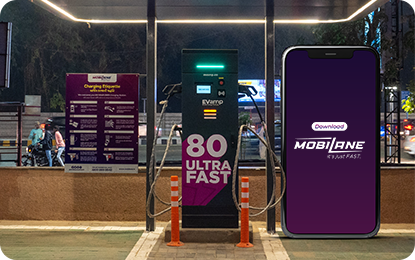
Public charging stations are open to all EV users and are typically installed at highways, restaurants, malls, fuel stations, and parking areas.
Revenue source: Pay-per-unit (₹/kWh) or session-based pricing.
Best suited for businesses exploring public EV charging opportunities.
2. Captive / Fleet Charging
Designed for internal usage by delivery fleets, logistics companies, and corporate EV fleets.
Revenue source: Cost savings, reduced downtime, predictable energy spend.
Learn more about captive EV charging solutions.
3. Semi-Public or Host-Based Charging
Installed at hotels, apartments, office campuses, and commercial buildings where charging supports the core business.
Revenue often comes indirectly through increased dwell time, customer loyalty, or bundled services.
How EV Charging Stations Make Money
Charging fees are only part of the story. Successful EV charging locations unlock multiple revenue streams.
- Direct charging revenue
- Parking and premium access fees
- Increased restaurant or retail sales
- Advertising and brand partnerships
In high-traffic locations, indirect revenue often exceeds charging income itself.
EV Charging Station Setup Cost in India
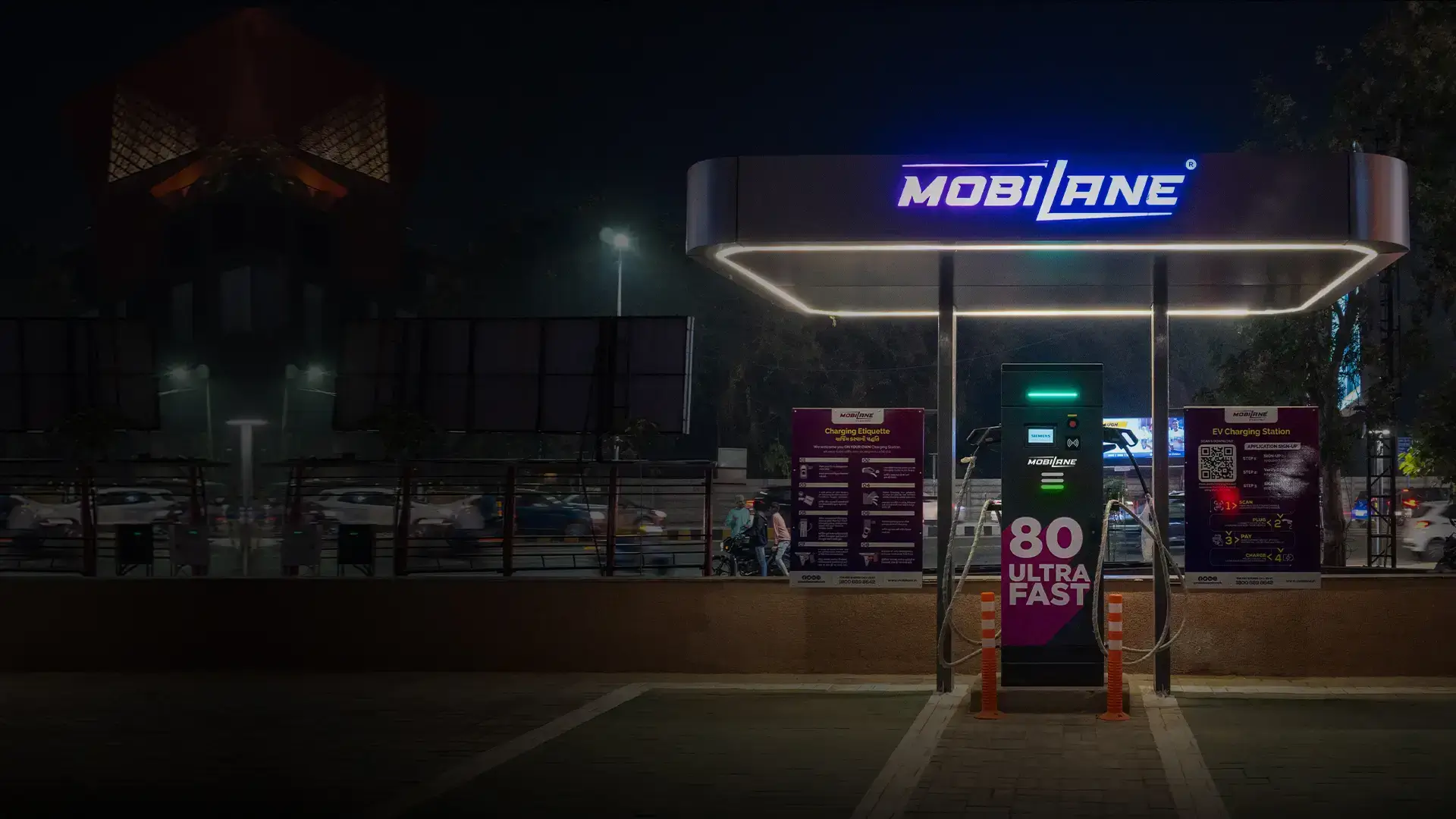
Setup costs vary based on charger type, power rating, and site readiness.
| Charger Type | Approx Cost |
|---|---|
| AC Charger (7–22 kW) | ₹1–3 lakh |
| DC Fast Charger (30–60 kW) | ₹12–25 lakh |
| High Power DC (120 kW+) | ₹35+ lakh |
Electrical upgrades, civil work, software, and maintenance must be factored into ROI calculations.
EV Charging Station Profit & ROI Reality
There is no guaranteed profit number. ROI depends on utilization, energy cost, uptime, and demand density.
- Public fast chargers: ~2.5–4 years ROI
- Fleet charging setups: ~1.5–3 years ROI
- Low-traffic locations: 4+ years
Fast chargers at the wrong location lose money. Average chargers at the right location win.
Who Should Start an EV Charging Business?
- Commercial landowners
- Restaurants & highway operators
- Parking space owners
- Fleet and logistics operators
This business is not ideal for those seeking short-term or passive income.
Final Takeaway
The EV charging business model in India rewards long-term thinking, smart locations, and operational discipline.
Done right, EV charging creates recurring revenue, increases property value, and future-proofs your business.
Thinking About Starting an EV Charging Station?
Most EV charging projects fail due to poor location choice, wrong charger selection, or unrealistic ROI expectations — not because demand is low.